


Queering Age: On Letting Go of the Fear of Getting Older
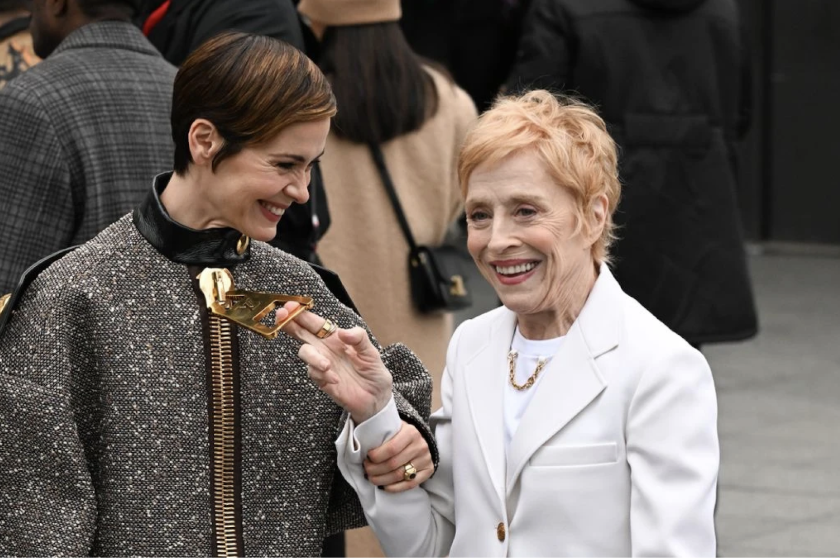
And Building a Pro-Aging Community Instead
My First Grey Hair
On a recent phone call with an ex, I told her about finding my first gray hair. “I bet that really freaked you out,” she said. “Aging always used to make you really anxious.”
But oddly enough, my first grey hadn’t made me anxious–it made me excited. I felt hotter, more desirable to myself, stronger. That’s how I knew that something in me has been shifting around aging in the last few years.
We are all always aging, but American culture doesn’t always call it that. When you’re a child, you’re developing. When you’re a teen, you’re maturing. When you're in your twenties, you’re peaking.
But once you hit your thirties? Then, we call it aging.
Your fear of aging isn’t yours; we aren’t born afraid of growing up. Don’t you remember the days of looking at the older kids wishing to be more like them? Our age-phobia is cultural, a reflex inherited from a capitalistic society that fears fragility, neediness, grief, and death and pedestalizes “productive” bodies.
But we don’t need to resign ourselves to decades accompanied by dread every time we notice our bodies changing. There is another way, and it requires us to build communities committed to swimming upstream on issues surrounding aging. If you don’t have community members who are encouraging pro-aging narratives, you could be the person in your friend group who takes the lead on making this shift.
The Train Only Goes One Way
I started botoxing regularly starting at age 30 after receiving a gift card from a friend to a local clinic. At the time, I was curious what all the fuss was about. And quickly, I understood: botox works, if the work you are doing is trying to slow the appearance of aging.
And this is exactly the work I wanted to do when I was 30. My job requires a lot of time spent in front of a camera, and as an influencer I straddle an industry that, like most, rewards youthfulness. In botoxing, I was simply responding to countless cultural mandates about what gives a woman value, and I don’t judge myself (or anyone else) for doing exactly what I was cultured to do.
But this year, I moved to the San Francisco Bay area and was exposed to other examples of aging. My godmothers, a queer couple who have been together for 30 years, have opted out of medical treatments that target signs of aging. In doing so, they seem to have opted into something that looks a lot like peace, self-acceptance, and acceptance of one another.
“The train only goes one way,” my godmother Susan likes to say. In other words, we can resist getting older…we can bang on aging’s door and beg to get out, but we might actually suffer a whole lot less if we just let ourselves move through the portal.
While my friend meant no harm in her gift to the local botox clinic, I wonder about the other kinds of gifts we can offer one another around the aging process. Maybe, what we really need is someone to sit next to us on that train, and hold our hand.
The Work of Becoming Pro-Aging
I’m now shifting my time, energy and budget toward investing in pro-aging narratives. This has involved seeking friendships with older people, investigating my own ableism, and gratitude practices for the gifts getting older has offered me. It’s also involved a lot of mornings spent walking amongst some really, really old trees.
I’ve noticed in starting to move against the grain around aging, the easy temptation is to judge those who are “still” moving with it. In doing so, we forget how connected we are to one another, how we are all actually contending with something larger than any individual’s aging choices. In judging, we also forget: there is no wrong way to age. We should fight for each other’s right to age with agency and dignity, rather than fighting for people to age the way we are.
Rather than taking a stance against people who pursue anti-aging rituals, I’d propose taking a stance of curiosity with those we love (including ourselves).
Here are some guiding questions for helping your community reflect on its relationship with aging:
- What stories and images are shaping how I feel about aging?
- Self‑check: What media makes me dread aging? What media expands my sense of queer, trans, and disabled futures?
Community prompt: What stories about older queer life do we want to center? What stories can we collectively retire?
- Self‑check: What media makes me dread aging? What media expands my sense of queer, trans, and disabled futures?
- Who are my elders, peers, and mentees and how does care move between us?
- Self‑check: Name one person you learn from and one who learns from you. What exchange would feel nourishing and sustainable?
- Community prompt: What “eldering” practices can we try (office hours, skill‑shares, buddy rides to appointments, rotating meal trains)?
- How is your body asking to be cared for at this age, and how are you listening?
- Self‑check: What does my body need more/less of (sleep, movement, sensory, recovery)?
- Community prompt: What access or healthcare barriers show up for us (costs, trans‑affirming care, accessibility, need for rest)? What’s one collective fix we can try?
- What ordinary rituals make life feel worth living lately?
- Self‑check: Name three small daily pleasures and place them on your calendar this week.
- Community prompt: Share a micro‑ritual that steadies you. How can we build communal versions (tea corner, quiet room, bird watching, stretch breaks)?
- What does “aging well” look like for me/us—and what supports it?
- Self‑check: Imagine what a good Tuesday in your 60s/70s/80s would look like. What rituals, boundaries, and support can help it happen?
- Community prompt: What shared infrastructure do we need (care registry, emergency contacts, legal resources, conflict‑repair agreements)? What’s our very next tiny step?
Who knows? Maybe in a few years, I’ll decide to use my agency to explore a new treatment that hasn’t been invented yet. By taking a stance of curiosity, we leave the door open not just for others’ experiences, but for our own winding, surprising road.
The Fountain of Youth
I’ll leave you with the words of Bayo Akómoláfé, whose body of work transformed the way I relate to the cracking and the fragile:
“I imagine that if and when we finally find the fabled Fountain of Youth, its bitter waters will not so much restore our youthful appearances as it would rehabilitate our appreciation for the transient – helping us celebrate our flailing skins, mottled complexion, and graying hair. And when we drink from it, we will realize that the truly youthful are those who recognize their alliance to, and inexplicable intimacy with, a universe that defies, transcends and disturbs the very notion of age.”
To age is to wisen, to move towards understanding the meaning of it all, to stop hiding from the human condition–and that is powerful. We are becoming elders, and we get to decide what kind of elders we want to be.
Picture Credit: Getty Images