10 Lessons on Love in 2026
What Producing a Show About Queer Love Has Taught Me
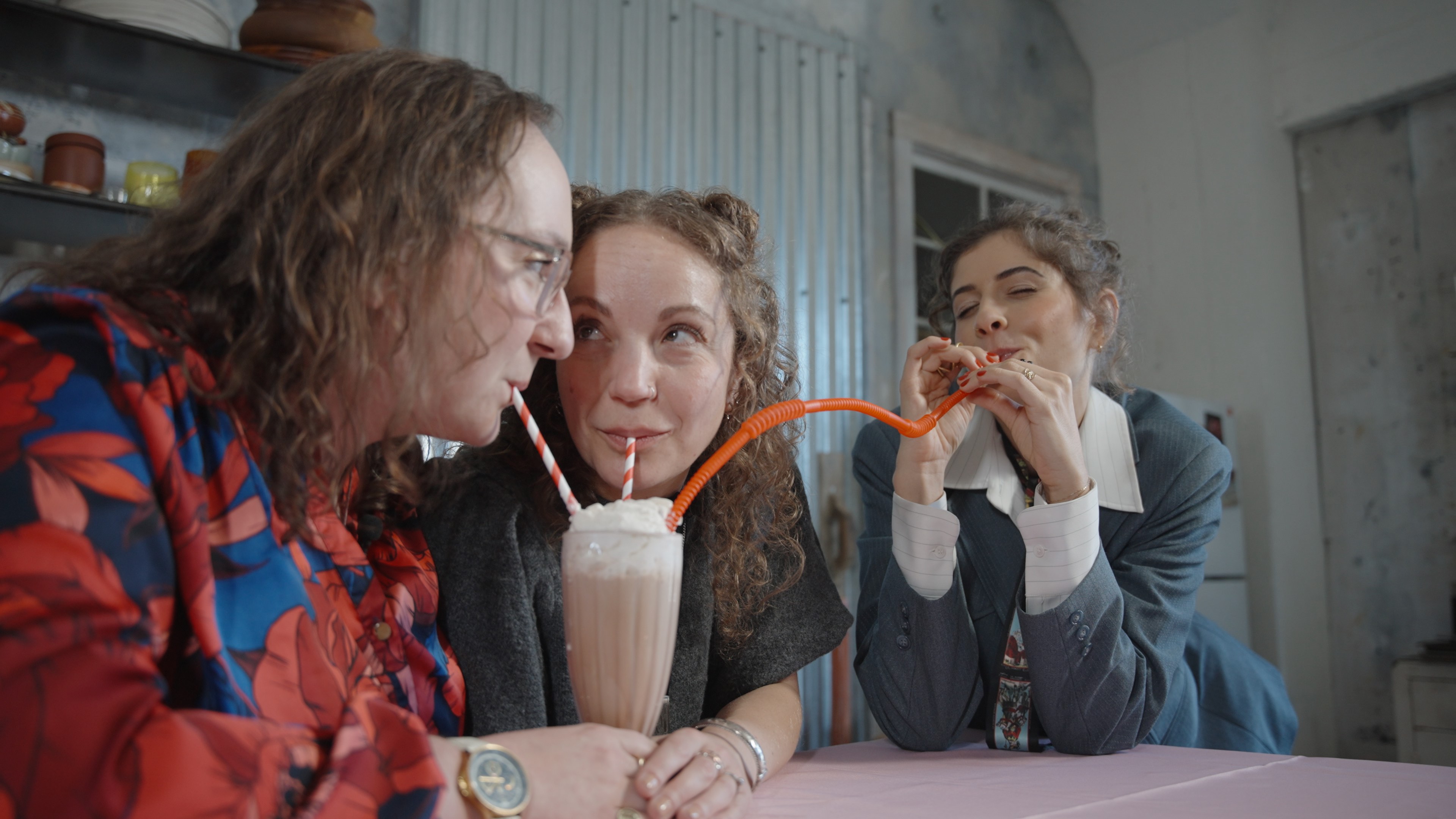
If you watched the premier of Third Wheel on June 12th, you already know how much insight there is to be gleaned from queer partners who have been loving each other for years. And if you haven’t—what are you waiting for?!
Third Wheel, the show where I crash dates with real couples to find out how they’re making love work, is out now.
Producing this show has moved me to tears more times than I’d care to admit, and all weeping came out of moments when our couples dropped serious wisdom about what long-term love requires.
I won’t make you wait until all the episodes are released…here are my top 10 takeaways from third wheeling in season 1:
1. Every relationship requires accommodations.
Love is less about finding someone who fits seamlessly into your life and more about learning which seams are worth adjusting. Lasting relationships are built through patient accommodations: making room for a partner's pace, nervous system, history, desire, healthcare needs. The couples on the show are in the practice of making life softer for one another.
2. A relationship can be intense and slow at the same time.
On Third Wheel, I sat with sapphics who were obsessed with each other but didn’t U-Haul. I started to understand that moving quickly and being passionate are two distinct experiences, and that when the early stages of the relationship are paced sustainably, there are lasting positive effects. There was a lack of urgency in these love stories, but no lack of closeness; in many cases, the slowness allowed the relationship to become safe enough to hold more depth.
3. Queer dating can reveal how much heterosexual dating taught us to perform…but in the absence of scripts, we write new roles.
These couples are proof that when we shed heteronormative dating scripts, what we find is more creative, authentic and real. Not having heteronormative scripts to hide behind can be terrifying, but necessity is the mother of invention, and I loved watching our couples invent new and beautiful ways of loving.
4. Real intimacy includes the ability to not be bright and shiny.
So much of early dating asks us to be charming, available, impressive, and easy to love. But the lovebirds on Third Wheel have learned how to let each other be sad, tired, quiet, messy, dysregulated, or not especially entertaining without making it mean the relationship is in danger.
At the same time, they knew that they couldn’t make their partners responsible for metabolizing all of their feelings. They could hold each other through the hard times without both spiraling. The work is learning to say, "I want you with me, but I do not need you to become me in order to prove you care."

5. In relationships, we are each other's teachers.
When we choose a partner, we choose a person who we will be learning from up close. Each couple on Third Wheel shared the ways that being in their relationship grew them towards the people they wanted to become. Not only were they open to learning from their partners’ strengths, they were open to being influenced by their partners’ desires…and that practice of putting the relationship over each individual became a lesson in and of itself.
6. Give benefit of the doubt
Every couple on the show was so, so different…but if I were to name one through-line, all of our love birds were skilled at giving each other the benefit of the doubt. One couple embraced the phrase “accidental tone” as a way to remind themselves that a tired voice, distracted text or badly time silence doesn’t have to become evidence in a story of rejection or abandonment. They demonstrated a generosity of interpretation that allowed them to pause and get curious before making assumptions.
7. Play is the inroad to falling in love all over again.
The #1 tool I employed to bring out each couple’s connection was play; there is nothing that can more quickly help partners get to the heart of their connection.
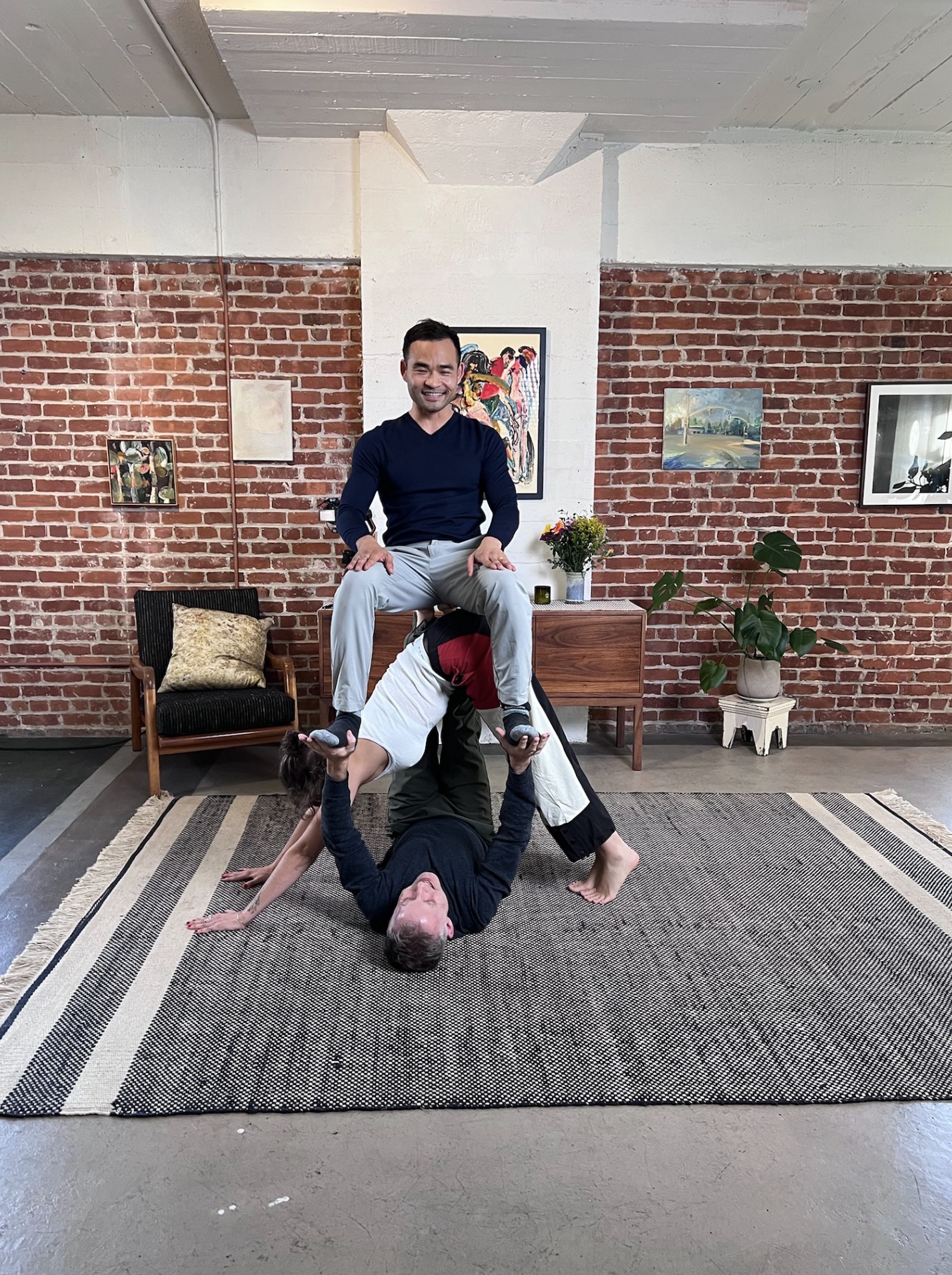
After each episode, I did a check-out with the couple where I asked them about their experience and what they're taking home with them…several of them said “we need to play more!” Playing allowed us to revisit earlier stages in their love story, have hard conversations with silly twists (like apologizing while wearing fake mustaches), and lean into the ridiculousness that often accompanies long-term love.
8. Retell your love origin story, no matter how long it's been.
There is something deeply sacred about watching partners remember how they found each other. The awkward details, the bad opening lines, saying the wrong thing but it totally working anyway. All of their stories remind me that some of the moments we think are ordinary at the time have the potential to be the seed that ultimately grows something more beautiful and bigger than we can imagine.
9. It's incredible what a few minutes of eye gazing can do.
Producing this show has made me believe in the radical power of attention. When two people simply look at each other without distraction, something shifts…nervous systems slow down, the body becomes less tense, and you start to really see the person sitting in front of you.
10. Long-term love means dating many versions of the same person. Love means watching each other grow up.
After filming season 1, I keep thinking about how many versions of ourselves a long relationship has to hold. We fall in love with one version of someone, and then life asks us to love the grieving version, the sick version, the older version, the growing version. To love someone over time is to keep asking, "Who are you now, and how do I meet you here too?"